AI is a maze. Keep score on value, not just tokens.
Chasing the next breakthrough is absorbing. A useful AI operating model keeps the route, the cost and the result visible.
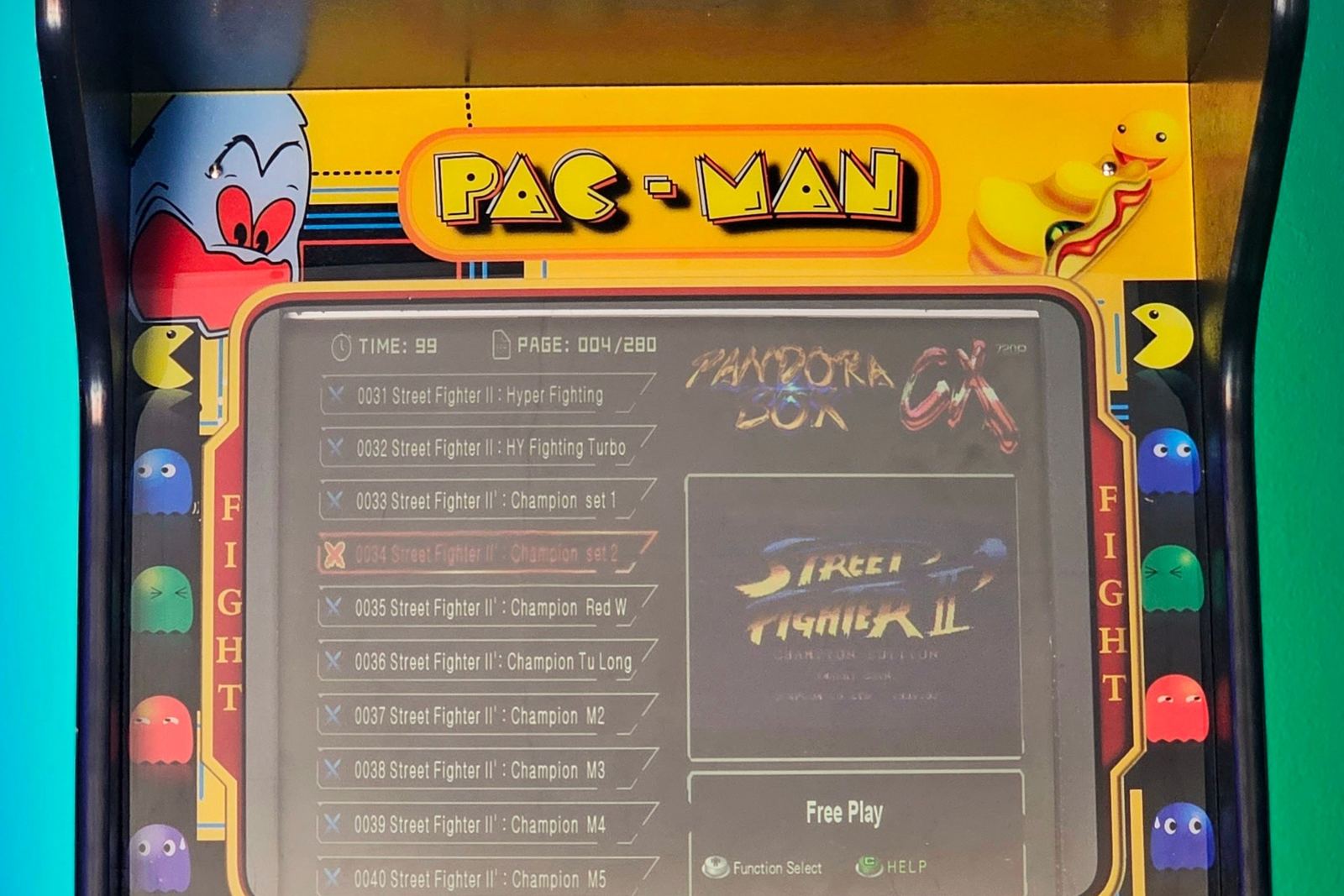
Why I went back under the skin of the technology
I have spent twenty years in transformation, using technology to change how businesses work. At the beginning of 2023 I immersed myself in AI. To advise businesses well, I needed to understand the tools by using them. My technical and engineering background helped, but there was still plenty to learn.
I started building through conversations with AI, a practice now often called vibe coding. The speed of the first result was compelling. An idea could become something I could inspect and try. That experience convinced me to explore further, and it also exposed a problem: the excitement of the next step can obscure what the last step cost.
The maze keeps offering one more turn
The analogy with Pac-Man is useful. You move towards the prize, consume resources as you go and react to whatever appears next. In AI work, the prize might be a working product, a better forecast or an improved customer journey. Tokens are one cost. Time spent preparing context, checking output and repairing mistakes is another.
A growing project carries more decisions, dependencies and unfinished ideas. A long conversation is not a reliable project record. If the requirements keep changing, a new request can disturb work you thought was settled. You can remember the destination and still struggle to retrace the route.
The score I care about is the accepted business outcome, with the cost and the route beside it.
Fast beginnings do not guarantee a fast finish
The curve below is a concept, not a benchmark. It describes a risk I look for: the first visible progress is quick, then review and rework consume more of the available effort. That is not a universal property of context windows or a claim that all AI projects slow down.
Workday’s January 2026 vendor research reported that many employees saved time with AI while some gains were offset by rework. The useful question for an individual business is how much effort reaches an accepted outcome. Track your own baseline and the checking that sits after generation.
Conceptual diagram. Early prototyping produces visible progress. As the project develops, a route without structured requirements and review can stall. An owned and tested workflow preserves accepted progress. No scale, measured curve or fixed timeline is implied.
- Named owners, checkpoints and review
- Unstructured iteration and rework
What to do on Monday
I want clear requirements, small working increments and checkpoints that a person can accept. The team should be able to show which version passed the checks, what changed and who owns the next decision. A harness makes permissions, tools and review explicit.
Start with one useful outcome, a named owner and a budget for both people and model use. Keep the record outside the conversation. Scale when the evidence justifies it. That is how experimentation becomes transformation you can explain to a board.
- Agree the first outcome and its acceptance test.
- Record decisions and preserve working versions.
- Measure tokens, human effort, review and rework together.
- Use clear escalation paths when an agent reaches its limits.
Turn the idea into a measured first step.
We can help shape the work, agree the controls and build alongside your team. Choose the support that fits your business.
About the author
Steven Myers, Chief Growth Officer and Co-founder
Steven brings twenty years in transformation and commercial leadership across technology, financial services and property businesses. He writes about turning AI into measurable business value.
Keep reading
 Guard
Harnesses: the controls that make AI safe to put to work
What a harness is, what it does, what happens without one, and why deploying it well is a skill of its own.
Guard
Harnesses: the controls that make AI safe to put to work
What a harness is, what it does, what happens without one, and why deploying it well is a skill of its own.
 By Lukasz Piotrowski · 5 min read
 Analyse
Model maxing: why your AI bill grows faster than its value
Using the biggest AI model for every task feels safe. Why it happens, what it costs and where to start.
Analyse
Model maxing: why your AI bill grows faster than its value
Using the biggest AI model for every task feels safe. Why it happens, what it costs and where to start.
 By Steven Myers · 5 min read
Sources and notes
- Employees report time saved, but rework offsets some gains. Workday global research, 14 January 2026 (2026, vendor survey; self-reported).